Did You Know
Albany Rural Cemetery has always been much more than a place of burial. Since its founding on April 2, 1841, it has offered historical, architectural, and sculptural memorials, as well as incredible natural beauty, for all its visitors. Today ARC attracts thousands of visitors each year. They come to pay tribute to loved ones who are deceased, and they come to enjoy the beautiful landscape, streams, waterfalls and array of funerary art and architecture that is ARC. Albany Rural is also a special haven for walkers, runners, cyclists and drivers.
Although it is still an active cemetery burying hundreds of people each year, Albany Rural is an amazing historical window into our past. As author Paul Grondahl wrote in the forward to his 2013 book on Albany Rural Cemetery titled These Exalted Acres—Unlocking the Secrets of Albany Rural Cemetery:
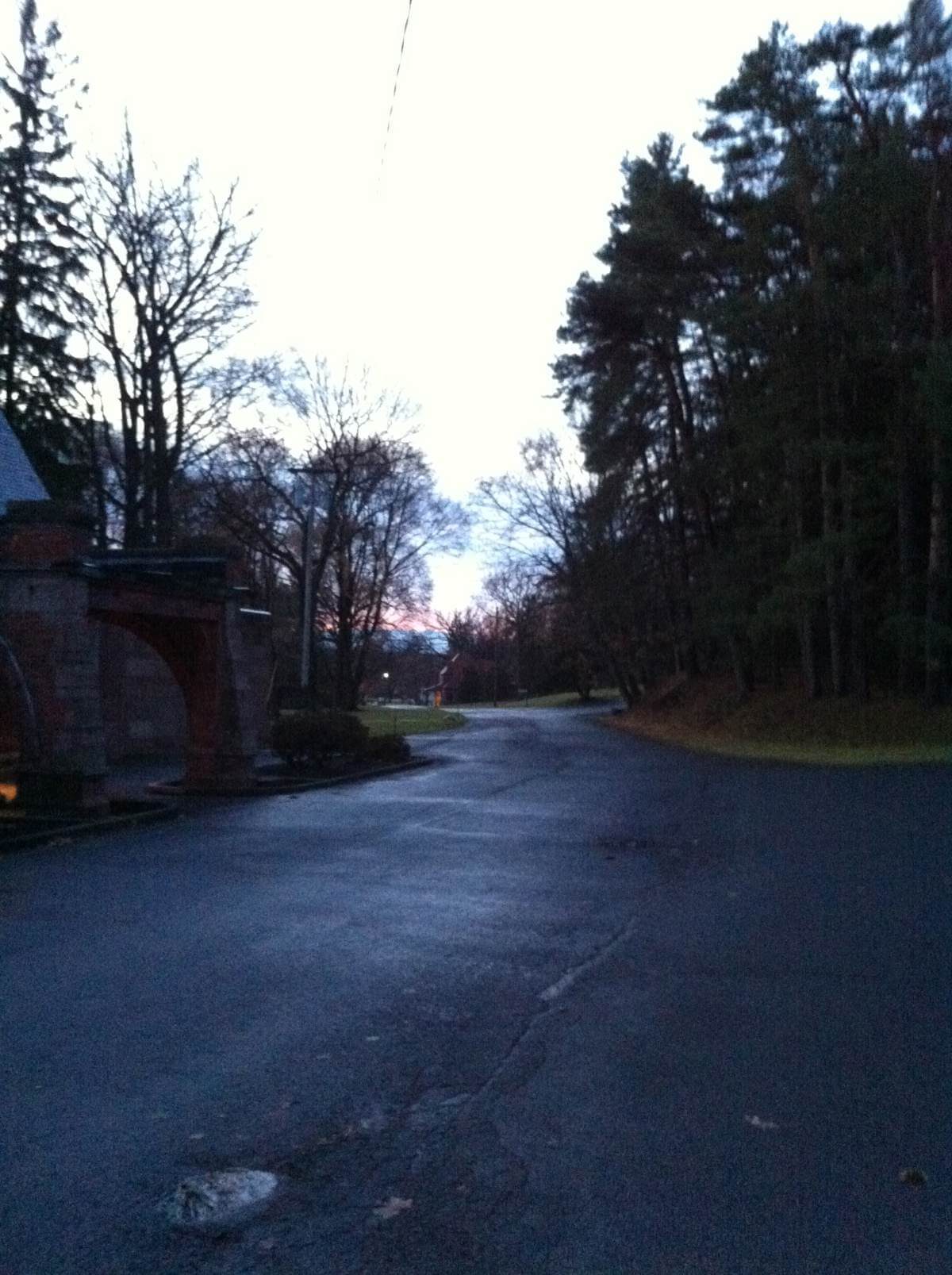
Albany Rural Cemetery, incorporated in 1841, is one of the oldest and grandest examples of the rural cemetery movement in America. Historians come from around the country and overseas to walk its 467 acres, to study its stately monuments and to savor its park like setting. It earned a spot on the National Register of Historic Places.
More than 135,000 people are buried here. It is an epic city of the dead, a history lesson carved in stove.
In the Victorian era, hundreds toured it grounds by horse-drawn carriage each weekend to honor the deceased. Annual subscription books were sold.
Today Albany Rural is an overlooked gem. It is one of the region’s cultural resources and it deserves a deeper appreciation. The silent, sprawling grounds beckon, an invitation of solitude and sustenance for the soul.
People in ARC
Albany Rural Cemetery, this city of the dead, is the final resting place for at least 135,000 people, and it still continues as an active cemetery for burial across its tree lined hills and valleys. Among the many historic people interred in ARC are: the 21st President of the United States, Chester A. Arthur; 34 members of Congress; eight presidential Cabinet members; five New York State governors; and 55 mayors of the City of Albany since it founding.
A few other notables buried in Albany Rural Cemetery include:
Albany Rural Cemetery also has at least 1,030 Civil War soldiers and sailors buried in it, with the Cemetery Soldiers’ Lot being the resting place of 149 who are specifically commemorated by the Grand Army of the Republic monument constructed here at ARC in 1873.
Architectural and Sculptural Beauty—Monuments and Graves
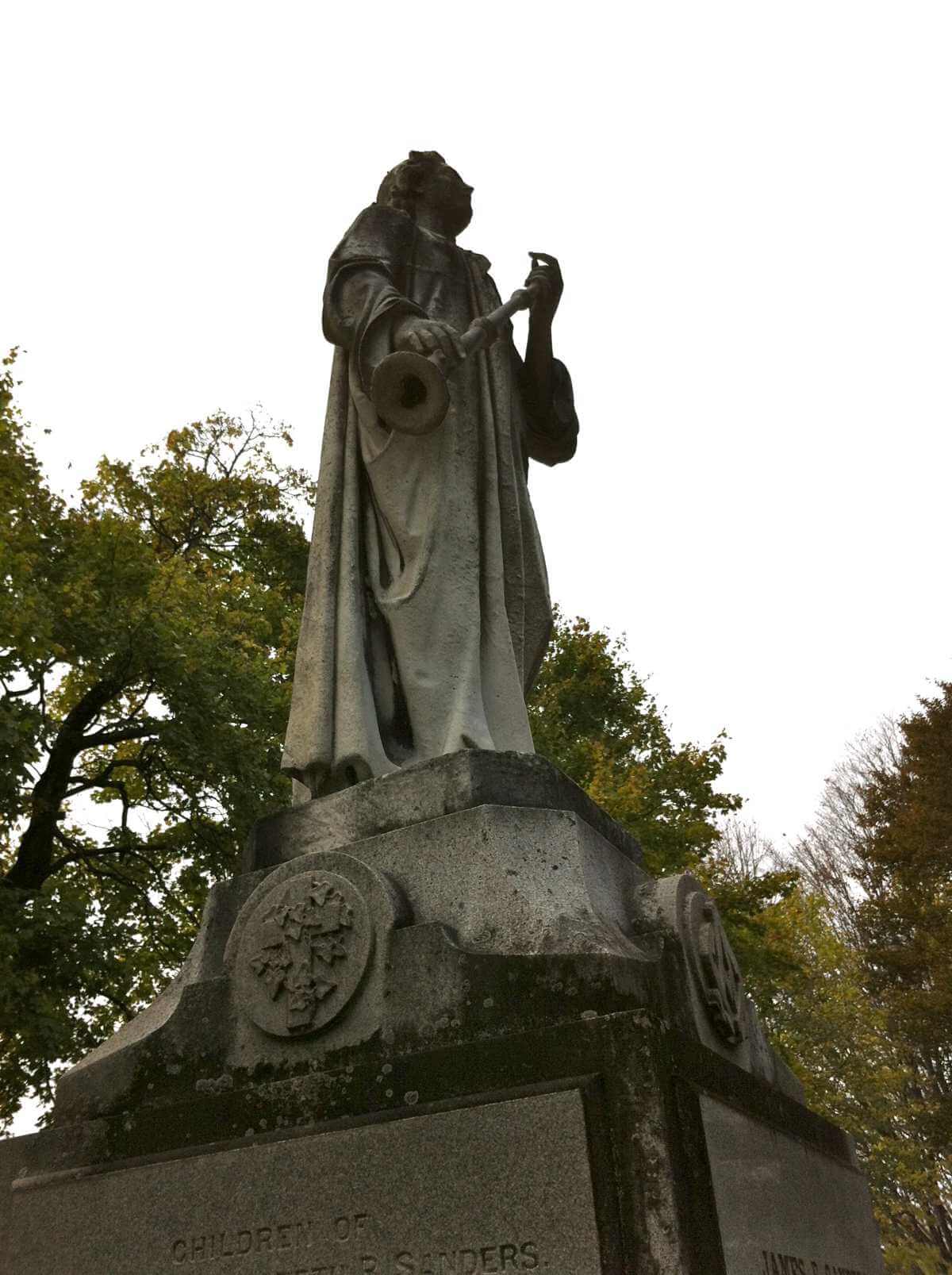
Albany Rural Cemetery offers an amazing array of monuments, crypts and other structures commemorating the legacy and lives of both famous and ordinary people who lived over the past almost two centuries.
The stone monuments and other funerary art reflect the changing beliefs and tastes of people relative to human life and death. The ARC is a living, breathing textbook for this gravestone symbolism and artistic expression.
Among the most famous sculptures at ARC, Angel at the Sepulcher, is the Erastus Dow Palmer monument to the wife of Robert Lenox Banks. Erastus Dow Palmer is also buried in the Cemetery.
Numerous stone and bronze sculptures by the stone cutter to Erastus Dow Palmer, Charles Calverley, also can be seen in Albany Rural.
Natural Beauty—Streams, Plants and Wildlife
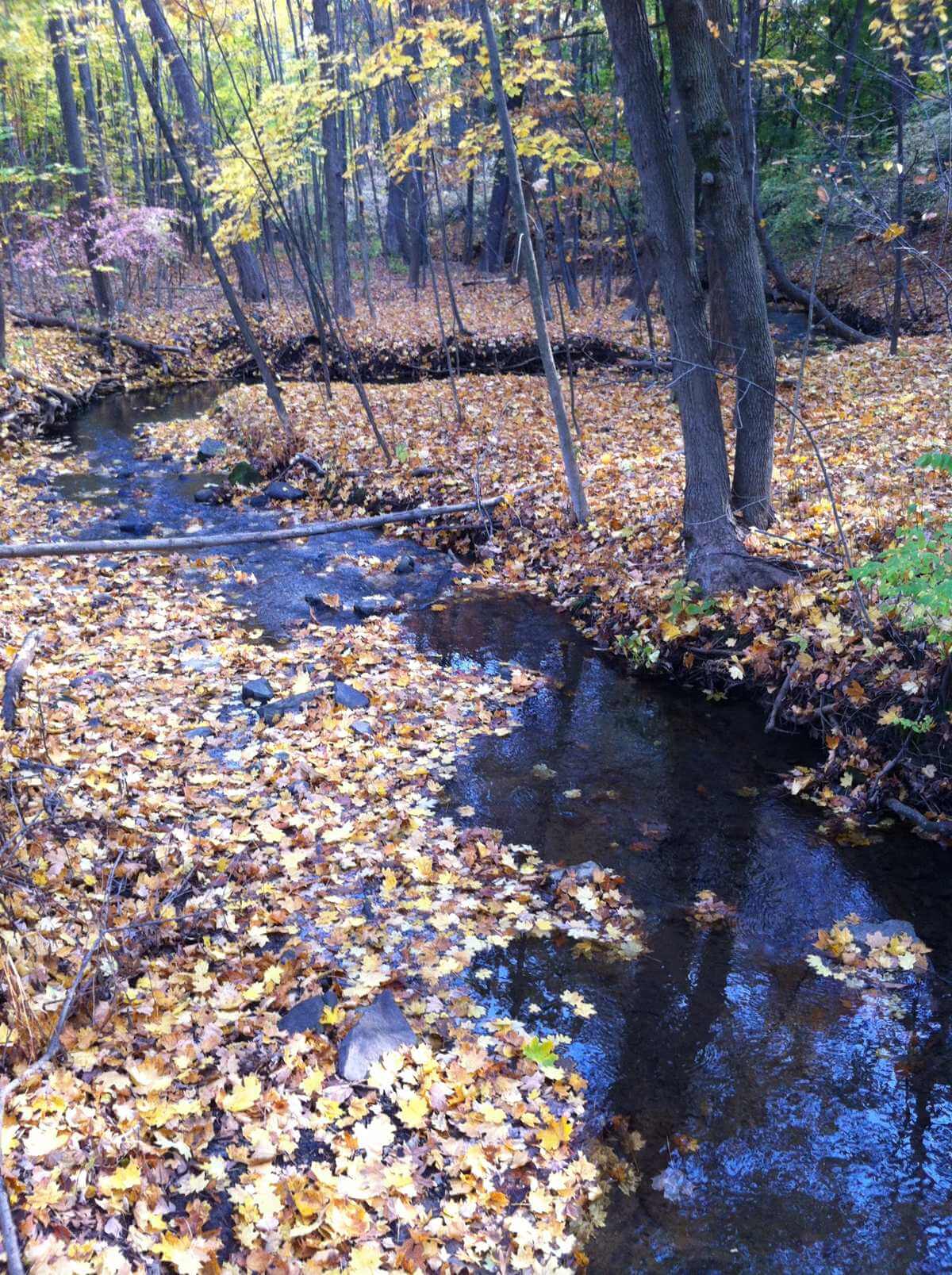
The Albany Rural Cemetery is a natural oasis in the middle of the Capital District. It is the ideal spot for a walk, a run, a bike ride, or a drive. The ARC grounds provide a breathtaking natural landscape in any season, and is widely used year-round for peaceful enjoyment and exercise. Unlike some cemeteries, Albany Rural welcomes dogs with their owners, as long as the dogs are on a leash at all times, and owners clean up after their pets.
In addition to Cypress Pond with its fish and frequent visits by ducks and geese, there are two major streams that run west to east across the cemetery (the Kromme Kill and the Moordanaers Kill) dividing the cemetery into three major land sections, North Ridge (which is north of the Kromme Kill) Middle Ridge (which is between the Kromme Kill and the Moordanaers Kill) and South Ridge (which is south of the Moordanaers Kill). The Albany Rural Cemetery is part of a much large watershed, the Kromme Kill Watershed, a major group of tributaries flowing to the Hudson River. There are a number of waterfalls that can be see on both streams, including one on the Moordanears Kill near the Chapel, which can be easily seen from the road.


The Cemetery offers an incredible variety of plants, shrubs and trees as well across its 467 acres. Many species of trees in the Cemetery are marked with tags, indicating their common names and species. Our brochure Visiting the Trees at Albany Rural Cemetery shows the types and map location of some of the most unique varieties of trees in ARC.
The brochure can be Downloaded here.
Albany Rural Cemetery is also the home to many species of wildlife, including: deer, woodchucks, opossum, and raccoons. Many species of birds can be seen in ARC throughout the year including: Canadian geese, ducks, hawks, woodpeckers, owls, and wild turkeys. Over the years, a blue heron also is seen regularly during the warmer months in both the North Pond and at Cypress Pond.